Understanding the Appeal of Play Kitchens
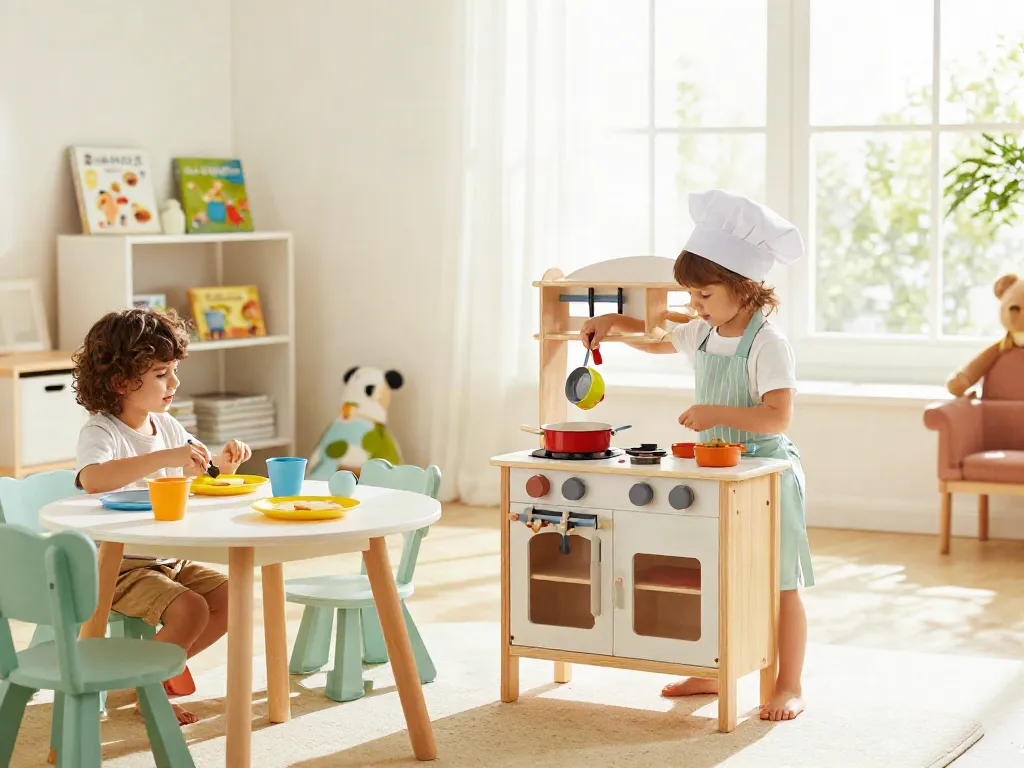
Play kitchens are more than just toys; they are gateways to imagination, creativity, and essential life skills for children. These miniature culinary worlds enable kids to explore the art of cooking and the dynamics of a kitchen, contributing significantly to their development and play experiences. When exploring options, play kitchen sets offer diverse features and styles that cater to varying preferences and developmental needs.
What is a play kitchen?
A play kitchen is a miniature replica of a real kitchen designed specifically for children. These toy kitchens often include miniature versions of essential kitchen appliances like ovens, stoves, microwaves, sinks, and refrigerators. They may also be equipped with pretend utensils, cookware, and food items, fostering an all-encompassing immersive play experience. The size and scale are typically suited for toddlers up to young school-age children, making them accessible and safe for even the youngest chefs.
Benefits of using play kitchens for child development
Incorporating play kitchens into a child’s playtime offers numerous developmental benefits:
- Social Skills: Children often engage in group play, fostering teamwork and communication as they take on different roles, such as chef, customer, or waiter.
- Cognitive Development: Pretend play with kitchens encourages problem-solving and critical thinking as children learn about food preparation and kitchen management.
- Motor Skills: Handling miniature cooking utensils and arranging food items helps refine fine motor skills and hand-eye coordination.
- Creativity: Play kitchens encourage imaginative scenarios where children can create their own recipes and storylines.
- Understanding Cultural Practices: Through cooking, children can learn about various cuisines, promoting cultural awareness and appreciation.
How play kitchens foster imaginative play
Imaginative play is crucial for a child’s social and cognitive development. Play kitchens provide an environment where kids can express themselves fully. They can invent stories, role-play adult responsibilities, and simulate real-life scenarios, fostering creativity and innovation. This type of play supports language development as children may engage in dialogues, mimicking conversations they have observed in real life. Overall, play kitchens serve as a canvas for children to paint their imaginations into reality.
Choosing the Right Play Kitchen for Your Child
When selecting a play kitchen, it is essential to consider various factors to ensure it suits your child’s needs. The choices available range from simple designs to comprehensive setups featuring multiple appliances and accessories. Here are key considerations:
Factors to consider when selecting a play kitchen
- Age Appropriateness: Ensure that the play kitchen is suitable for your child's age group. Many brands offer designs tailored to toddlers, preschoolers, and even older children.
- Size: Consider the available space in your home. Some play kitchens can be quite large, while others are more compact for smaller areas.
- Features: Look for interactive elements such as sounds, lights, or movable parts that can enhance the play experience.
- Durability: Assess the materials used in construction. Wooden play kitchens, though typically more expensive, often offer better durability compared to plastic alternatives.
- Ease of Assembly: Consider how easy it is to put the kitchen together and disassemble it if needed for storage or relocation.
Comparing materials: wooden vs. plastic play kitchens
The choice between wooden and plastic play kitchens can significantly influence your child's experience:
- Wooden Play Kitchens: Often praised for their durability, aesthetics, and eco-friendliness. They provide a classic look that appeals to many parents and often endure the rigors of play longer than plastic options.
- Plastic Play Kitchens: Generally lighter and may come with more electronic features such as lights and sounds. They are often more affordable, making them a popular choice for budget-conscious families.
Popular brands and models for 2026
As consumer interest evolves, certain brands and models emerge as favourites among parents and children alike. Some notable brands for play kitchens in 2026 include:
- KidKraft: Known for its durable wooden kitchens, offering various styles and configurations, perfect for both play and aesthetics.
- Step2: This brand focuses on plastic kitchens, offering interactive features and vibrant designs that attract younger children.
- Tiny Land: Specialises in high-quality wooden kitchens that encourage imaginative play with sophisticated designs.
- Little Tikes: Popular for their bright colours and robust structures, they provide good value for families seeking an engaging play experience.
Enhancing Play Kitchen Experiences
To maximize the enjoyment of a play kitchen, consider adding accessories and engaging in creative activities with your child. This can turn simple play into a learning experience.
Essential accessories for a complete play kitchen setup
- Play Food Sets: Realistic-looking food items support imaginative cooking and meal preparation scenarios.
- Cooking Utensils: Sets that include pots, pans, spatulas, and cutting boards allow children to mimic real cooking techniques.
- Appliances: Miniature microwaves, toasters, and coffee makers can enhance interactive play.
- Tableware and Dining Sets: These accessories encourage role play around meal-sharing and hosting.
Creative role-playing scenarios with play kitchens
Encouraging your child to create unique scenarios can deepen their engagement with the play kitchen. Here are a few ideas:
- Restaurant Role-Play: Have your child set up a restaurant where they take orders and prepare meals for their ‘customers’ using the play kitchen.
- Cooking Shows: Use a smartphone or tablet to record 'cooking shows' where your child explains their recipes or demonstrates cooking techniques.
- Seasonal Themes: Incorporate seasonal foods and celebrations into play, like holiday baking or summer barbecues.
Engaging your child in themed cooking activities
Themed cooking activities not only make playtime fun but also educational. Try exploring different cuisines, introducing new ingredients, or hosting a 'cooking night' where your child prepares a meal for the family. This not only builds culinary skills but also fosters a sense of accomplishment and pride in their creations.
Safety Considerations for Play Kitchens
While play kitchens are designed for fun, ensuring your child's safety during play is paramount. Always monitor their play and adhere to safety standards to prevent accidents.
Understanding safety standards for toys
Look for play kitchens that comply with safety regulations set by governing bodies such as the British Toy and Hobby Association (BTHA). Products should be tested for harmful substances and have no sharp edges or small parts that could pose choking hazards.
Maintaining a safe play environment
Keep the play area clutter-free and ensure the kitchen is stable and securely assembled. Regularly inspect the play kitchen for wear and tear, particularly if it includes electronic components or movable parts.
Common hazards to watch for in play kitchens
- Small Parts: Ensure that any accessories do not pose choking hazards for younger siblings.
- Unstable Structures: Some play kitchens can tip over if not placed on a stable surface or if children climb on them.
- Materials: Check for non-toxic materials to avoid exposure to harmful chemicals.
Future Trends in Play Kitchens
As we progress through 2026, play kitchens are likely to evolve, reflecting the latest trends in design, sustainability, and technology integration.
Innovative designs and features in 2026
Manufacturers are increasingly incorporating innovative designs into play kitchens, such as modular setups that allow for customisation based on the space and children’s preferences. Interactive elements, such as digital play screens and sound capabilities that mimic real cooking, are also on the rise.
The rise of eco-friendly play kitchen options
As environmental awareness grows, many brands are offering eco-friendly options made from sustainable materials. These kitchens can help instill a sense of environmental responsibility in children from a young age.
Technology integration in modern play kitchens
Modern play kitchens are seeing an increase in technology integration, such as apps that guide children through 'recipes' or smart features that respond to their actions. This fusion of technology and traditional play is anticipated to enhance educational play experiences, making them more interactive and engaging.
What age should a kid get a play kitchen?
Generally, play kitchens are suitable for children aged 2 and up, but this can vary based on the kitchen’s size and features. It's essential to select a model that matches your child’s developmental stage and capabilities.
How much does a play kitchen cost?
Prices for play kitchens can vary widely based on material, size, and brand. On average, you can expect to spend between £50 to £300. Budget models typically offer essential features, while premium versions come with more interactive elements and better durability.
Is it worth getting a play kitchen?
For many families, the benefits of a play kitchen in terms of encouraging imaginative play, social interaction, and life skills development outweigh the initial investment. They provide a valuable platform for children to explore, learn, and grow.
Which play kitchen is the best?
The best play kitchen will depend on your child’s interests, available space, and your budget. Researching popular brands and reading reviews can help you identify which kitchen would be the most suitable for your family.
What accessories can enhance a play kitchen experience?
Incorporating accessories such as realistic food sets, cooking utensils, and dining ware can significantly enhance a child's experience with their play kitchen. These additions promote more immersive and varied play scenarios, enriching the overall creative experience.